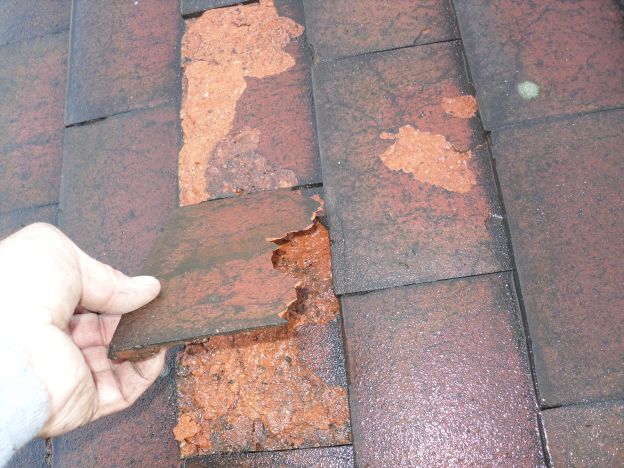
Many buildings have flat roofs. They’re a common sight on commercial buildings but also on a lot of homes. Some houses have both sloped and flat roofs, usually the result of an extension being built after the original roof was constructed.
These flat roofs come with their own issues, many of which are exemplified this time of year, as rain, wind, fallen leaves, and more add extra wear and tear. Today we’re going to talk about what these issues are, and how to protect your flat roof.
But first, the basics.
What is a Flat Roof?
This may sound like an obvious question, but the design of a flat roof is more complicated than you may realise. It appears flat, but actually has a very slight camber (slope) to improve water runoff, sending it all towards your gutters.
As we’ll discuss shortly, water pooling on a flat roof can cause major damage, so this slight slope is crucial for protecting the roof and the room(s) below.
The material used for your flat roof also affects its longevity.
Modified bitumen is a common choice nowadays, as the tar-like compound offers excellent protection.
Rubber, fibreglass, and felt sheets can also be used, and all provide decent waterproofing, but some last longer than others.
They all have the same goal, but it’s often important to know what your roof is made of when identifying issues and finding a solution.
If you can’t figure it out yourself, a roof survey will enlighten you and will identify any issues.
How Water Affects a Flat Roof
Over time, your flat roof can start to sag.
This means that rainwater no longer runs off towards your guttering, and instead pools on the roof lining.
While the material used for your flat roof may be waterproof, it’s not designed to withstand standing water for an extended period of time.
The added weight also increases the sagging, making the issue exponential, and more expensive to fix the longer you leave it.
Standing water gradually eats away at the surface, shortening its intended lifespan.
It can also exploit weak points in the roof, getting between panels and seeping into the vulnerable roof below.
Once inside, rainwater can cause dampness on your ceiling or along the top of walls.
This can be an obvious leak or be more subtle, only appearing as a small patch that will grow quickly if ignored or missed.
If your flat roof leads to an attic, or a space you use less than other rooms, it could take a long time to notice, and by then it’s caused some major issues.
A damp wall or ceiling is the perfect breeding ground for mould. If you have any large furniture pieces against your walls, damp hiding behind it will grow mould rapidly, and you won’t notice until it appears somewhere else or the furniture is moved.
Mould can be a serious health risk in a home or commercial building. Once it has moved in, it’s very difficult to get rid of, potentially requiring a complete shutdown of your business or isolating part of your home.
Damp isn’t the only issue standing water can cause.
How Standing Water Damages a Flat Roof
This time of year, there’s a lot more rain. This means more standing water on your flat roof if it isn’t doing its job properly.
As well as creating damp and leaks, rainwater can seep into the eaves of your roof. These are often made of wood, and have very little waterproofing, so exposure to moisture can make them start to rot.
This can cause a lot of damage and puts people at risk. A little standing water may not seem like a big deal, but it can cost you a fortune if there’s a partial collapse.
Even if the water hasn’t yet made it through the roof lining, it can still cause problems. The damp surface will grow mould, but also moss, especially if some leaves and other natural debris has gathered on your roof as well.
Moss on its own doesn’t do a tonne of damage, apart from adding more weight to a sagging roof. However, insects will make their home in it, which can eat away at the wood inside your roof if they can access it. Birds will then try to eat these insects, tearing up the moss and sometimes the panelling below. This will add a lot of debris to your gutters, blocking them, and damage the roof lining even further.
It’s safe to say that letting standing water build up on your flat roof is a bad idea, but what are you supposed to do about it?
How to Prevent Standing Water on a Flat Roof
There are a few things you can do to keep your flat roof in good condition. The most important is to keep it clean, removing standing water and any debris from your roof on a regular basis so that the aforementioned issues can’t form.
But when the weather is bad, this becomes a much tougher battle, and climbing onto a roof that could be damaged is dangerous, even for professionals.
If you have any of these roof-related issues, or think that your roof is vulnerable to them, we always recommend organising a professional roof cleaning.
This will extend the lifespan of your flat roof, and also reveal any damage that may have been hidden by a layer of mud, grime, or standing water.
But this is only what you should do after the fact. There’s also an easy way to prevent these issues happening in the first place.
Thermal Roof Coating for a Flat Roof
Our thermal roof coating is the best way to protect any roof, including flat, sloped, and a mix of both.
Replacing the lining is a costly job, one that takes a long time too.
Instead, call us in to apply our incredible roof coating, which will make your tired lining look better than new.
It isn’t just an aesthetic improvement either.
Our thermal roof coating provides an additional barrier between the elements and your roof, helping to prevent issues caused by standing water, grime, and debris.
As an added bonus, it’ll help to keep heat in, saving you money on your energy bills throughout winter, and the rest of the year.
If your flat roof is looking worse for wear, or you want to keep it looking good, our thermal roof coating is all you need.